

Praise
Helping your friends feel good about themselves.

An audio version of this post is available below (for paid subscribers).
I don’t need you to tell me I’m doing a good job. As someone used to performing on stage, applause can certainly lift my spirits. But when the lights go out and I’m all alone again, I need to find the positivity within myself to keep going. Being a supportive friend can sometimes feel like you’re just a few perfect sentences away from fixing the problem, but tragedies are overcome with actions, not words.

“I pay no attention whatever to anybody’s praise or blame. I simply follow my own feelings.” Wolfgang Amadeus Mozart
Emergencies force us to do extraordinary things. If you’re standing on the sidelines, watching your friend score touchdown after touchdown, despite a seemingly overwhelming defense constantly pushing against them, you may feel the desire to become their loudest cheerleader. But positivity can turn uncomfortable in times of intense need. Your friend might not want to hear it, and the tiniest word choices can elicit confusing responses.
Here are some compliments that are potentially problematic:
“I could never do what you do.”
Sure you could. You just don’t know it yet. There’s a hidden reserve of energy and confidence inside of you that is unleashed when the impossible occurs. I hope you never have to use it, but it’s there, and it kicks in when you need it most. So when a friend handling an emergency hears this from a loved one, it sounds like the loved one needs more emotional support than the friend they’re comforting. You can acknowledge your friend’s strength without pointing out your own perceived shortcomings.
Instead try: “I see how hard you’re working, and I think you’re incredible.”
“You’re a hero.”
If people didn’t face their horrible things head on, would that make them villains? There’s a strange dichotomy that exists between helping someone and leaving them stranded. When a person pushes themselves to the limit to overcome adversity, or steps up to help a desperate friend, it’s because they have the resilience to do so. When that runs out, because they’ve succumbed to sickness, or emotional weight, or more pressing responsibilities, that doesn’t mean they’re suddenly indifferent to the situation. They just need a break, or someone else’s help.
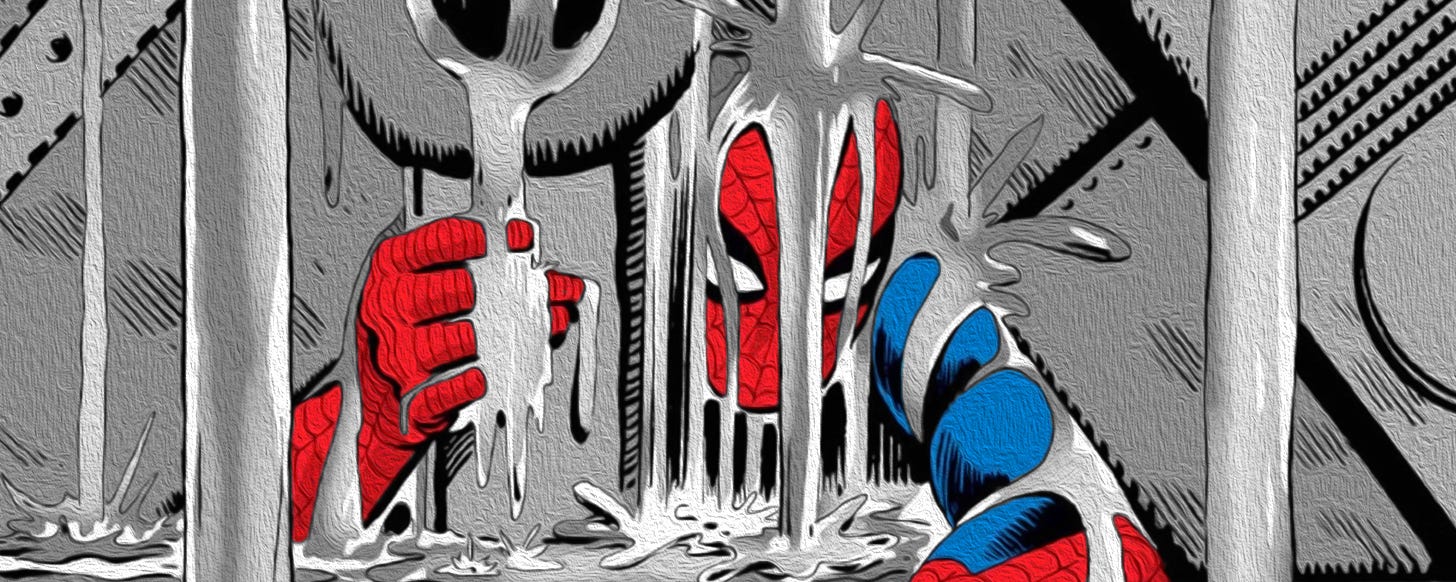
If you read a comic book, or watch a super hero movie, you’ll find that the central characters are rarely content with their lives. They’re constantly running around, putting out fires, waiting for the next shoe to drop. No one wants to be a hero all the time, and hearing that you’ve become one can make you feel like your problems are never going to go away.
Instead try: “Your friend is lucky to have you.”
“You’re so much more capable than (another person).”
Don’t fill your friend’s head with comparisons they don’t need. A criticism disguised as a compliment, even if it’s aimed at someone else, is loaded with negative energy that’s uncalled for. When someone’s world has been shattered, they don’t have time for gossip, and tearing another person down is not going to lift them up.
Instead try: “You got this.”
“Everything you’re doing is correct.”
Be specific. Don’t overpraise. You’re not with them every second of the day. You don’t know the decisions they’re forced to make, the mistakes they regret, and the guilt they’re silently harboring. If you want to praise their actions, pick something to focus on and demonstrate you’re listening to their stories, and recognizing their accomplishments. The best kind of praise is quick, to the point, and does not require affirmation.
Instead try: “You’re doing the best you can.”
“You’re amazing, but…”
This is a classic “feedback sandwich.” You wedge constructive criticism inside two slices of positive feedback, to make it go down easier. It’s manipulative and disingenuous. No one in a crisis needs advice, even when you sugarcoat it. I guarantee you’re going to have a lot of spicy opinions about how your friend handles their horrible thing, and watching it get worse when you’re convinced you could have somehow prevented it is a hard thing to deal with. But that’s the work you can do to support your friend. Keep that stuff to yourself, or share it with a different friend that can help you process it constructively.
Instead try: “You’re amazing. I love you.”
“The important thing to me is that I’m not driven by people’s praise and I’m not slowed down by people’s criticism. I’m just trying to work at the highest level I can.” Russell Crowe
Complimenting your friend incorrectly sounds like such a silly problem to worry about. While I think it’s worth addressing, don’t let these delicate conversations keep you up at night. None of the statements I’ve listed above are damaging. You should not feel ashamed for saying any, or all of them. I just don’t want you to be perplexed when you praise your friend and don’t get the reaction you expected. Even if you say “the right thing,” they may not have the emotional capacity to accept or understand it. If you’re unsure your kind words are going to have the intended effect, just stay present, and listen to your friend’s words instead.

Let’s talk it out.
Has a compliment ever made you feel worse? Let me know in the comments.
An audio version of this post is available below (for paid subscribers).
Keep reading with a 7-day free trial
Subscribe to The Friend's Guide to Horrible Things to keep reading this post and get 7 days of free access to the full post archives.