

Gross
Confronting the triggers that turn our stomachs.

An audio version of this post is available below (for paid subscribers).
Doctors use words like defecating, urinating, and emesis, but I call them pooping, peeing, and puking. If those words make you nauseated, that’s a reaction you should learn to process before helping your friend face a horrible thing. It might get messy, especially regarding issues like medical trauma, old age, or piles of unwanted junk. You don’t want to make your friend feel embarrassed for conditions that may be out of their control, so it’s time to boost your ability to stay unaffected when things get a little “bleaugh.”

“You can’t really get as much done when you’re worried about looking gross.” Lauren Lapkus
Here are a few potentially gross things to beware of, and how you can deal with them.
Bodily fluids
If you get the chills cleaning up someone’s spills, gather as much information about your friend’s condition as you can before exposing yourself to it. No one should feel ashamed about the way their body needs to function, and if you’re not the person directly responsible for helping them eat meals or go to the bathroom, you don’t have to be there for these moments if you know they’re going to cause you problems.
Consider your discomfort ahead of time (preferably not while the offending liquids have started to flow), and if it’s not something you’re equipped to handle without a nurse or aide available, this in-person visit probably isn’t for you. You don’t want to fail at catching barf or cleaning feces because you didn’t have a bag or a diaper at the ready. You can equip yourself for these spontaneous eruptions by letting your friend communicate their needs, and replying honestly when it comes to your tolerance for them.
Medicine and medical devices
There are a lot of miraculous ways that modern science can keep us happy and healthy. But those methods can also seem strange and make us uncomfortable if we’re not used to them. Even something as commonplace as a CPAP machine (a complex, H.R. Giger-esque device used to treat sleep apnea), can initially appear like a monster from a sci-fi horror film. If you’re not familiar with post-surgical drainage, or the suction needed while someone is on a ventilator, you may get a quick lesson in where and how fluids can flow from your nearest and dearest.
Your friend may be very private about these things, choosing to leave the room or end a social call when their use is required. If so, respect their privacy and give them the space to do what needs to be done. Ask if they’re open to questions about it before you grill them for details.
On the flip side, they may be eager to show you the lengths they have to go to feel somewhat normal. The more you know in advance about the medicine they have to take, and the machines they have to use, the more comfortable you’ll be seeing them for the first time. If something in particular, like needles, makes your skin crawl, be calm and honest about those feelings, so you don’t lose your mind when they’re shown or discussed for the first time. You are there to make your friend feel accepted, so getting grossed out in their presence isn’t a big help.
Poor hygiene
We often underestimate the work people put into making themselves appear clean and organized, especially when that time is currently being redirected toward a recent tragedy. You may have come to expect your friend to look and smell a certain way, and when that façade is removed, your visceral reaction can be hard to disguise. So do your best to release these social expectations and accept your friend, as they are, in the moment.
It’s not just people that can fall victim to bodily neglect. Pets can get gross real quick if they’re not taken care of. If you suspect a friend won’t have the time to properly care for their animals, volunteer to walk their dog, or take their cat to the vet. If you’re visiting their home, however, and you can smell a stacked litter box, or notice some dog-poop bags in a corner, try not to guilt your friend with a pinch of your nose or a disapproving glance.
Household cleanliness
If your friend has been handling an emergency, and you’ve never seen the inside of their house, there’s a possibility they might have let its maintenance fall by the wayside. Dishes can gather in the sink and boxes can get walled up in the hallway.
This might not be disgusting in the traditional sense. Just the difference in their lifestyle compared to your own could seem shocking at first, and your reaction could be more apparent than you’d care to express. If messy houses have set you off in the past, consider checking in with someone else that’s more familiar with your friend’s home life, to see a clearer picture of what you’re walking into.
If your friend is open to it, offer to do a quick clean up. Take the dog to the groomer, or empty the litter box, run a quick vacuum, wash up the dishes (and put them away), return overdue library books, or take the trash to the curb. Little things that can accumulate when life overruns someone.
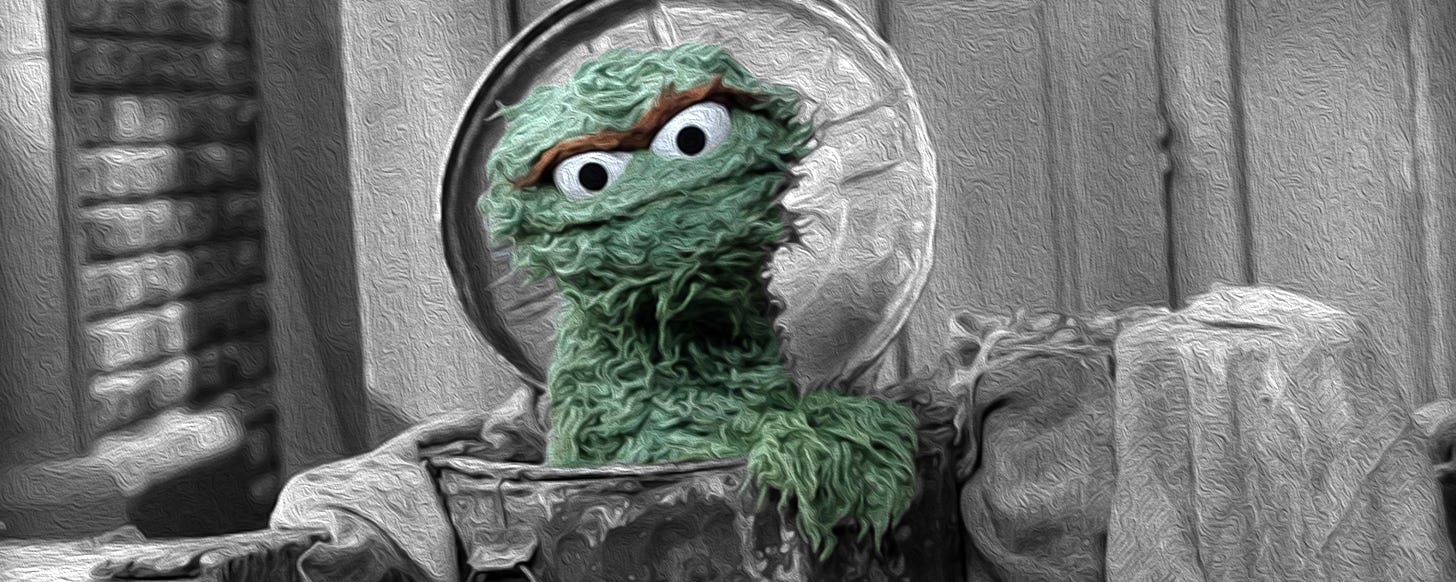
“One must be fond of people and trust them if one is not to make a mess of life.” E. M. Forster
The worst part about gross stuff is the surprise. When you’re not expecting something to test your gag reflex, circumstances can backfire in ways that are unhelpful to you and your friend. So diagnose the potential issues ahead of time, and save yourself a lot of bellyaching. Literally.

Let’s talk it out.
Has anything ever caught you and your tummy off guard when trying to lend your friend a hand? Let me know in the comments.
An audio version of this post is available below (for paid subscribers).
Keep reading with a 7-day free trial
Subscribe to The Friend's Guide to Horrible Things to keep reading this post and get 7 days of free access to the full post archives.